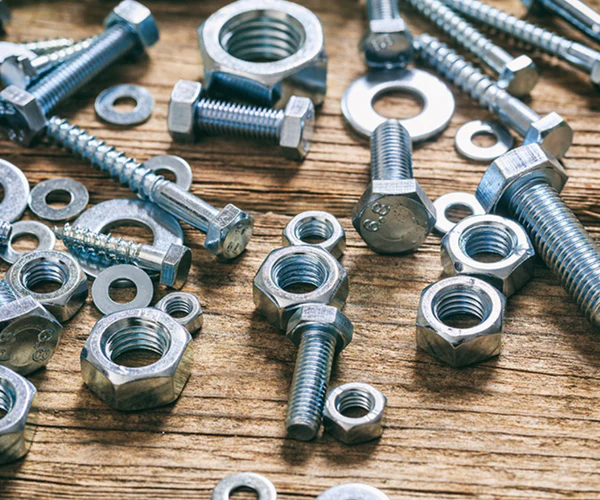
Have you ever found yourself standing in the hardware aisle, completely overwhelmed by the sheer variety of screws, bolts, and nails on offer? Or perhaps you’ve started a DIY project only to realise halfway through that you’ve grabbed the wrong fasteners entirely? You’re definitely not alone. Choosing the right fastener might seem like a small detail, but it can make or break your entire project.
Whether you’re building a backyard deck, hanging shelves, or tackling a major renovation, the fasteners you select play a crucial role in the strength, durability, and longevity of your work. Get it right, and your project will stand the test of time. Get it wrong, and you could be dealing with loose joints, rust stains, or even structural failures down the track. It’s the kind of detail that separates professional-quality results from frustrating DIY disasters.
In this guide, we’ll walk you through everything you need to know about selecting the perfect fasteners for your project. From understanding the basics and exploring different types to matching materials with applications and avoiding common mistakes—we’ve got you covered. By the end, you’ll have the confidence to choose fasteners like a pro, whether you’re working on timber, metal, or masonry. Let’s get stuck into it.
Understanding Fastener Basics
What Are Fasteners and Why Do They Matter?
Put simply, fasteners are the hardware components that hold materials together. They’re the unsung heroes of construction, furniture assembly, and countless DIY projects. Without them, structures would literally fall apart.
Fasteners matter because they determine how securely your materials bond together. The right fastener distributes load effectively, resists environmental stresses, and maintains structural integrity over time. Using an inappropriate fastener, on the other hand, can lead to weakened joints, premature failure, and safety hazards.
Types of Fasteners Explained
Screws: When and Where to Use Them
Screws are incredibly versatile fasteners featuring helical threads that cut into materials as you drive them in. They’re ideal for applications requiring strong holding power and the ability to disassemble later. Wood screws work brilliantly for timber projects, while self-tapping screws cut their own threads in metal and plastic.
Bolts and Nuts: Heavy-Duty Options
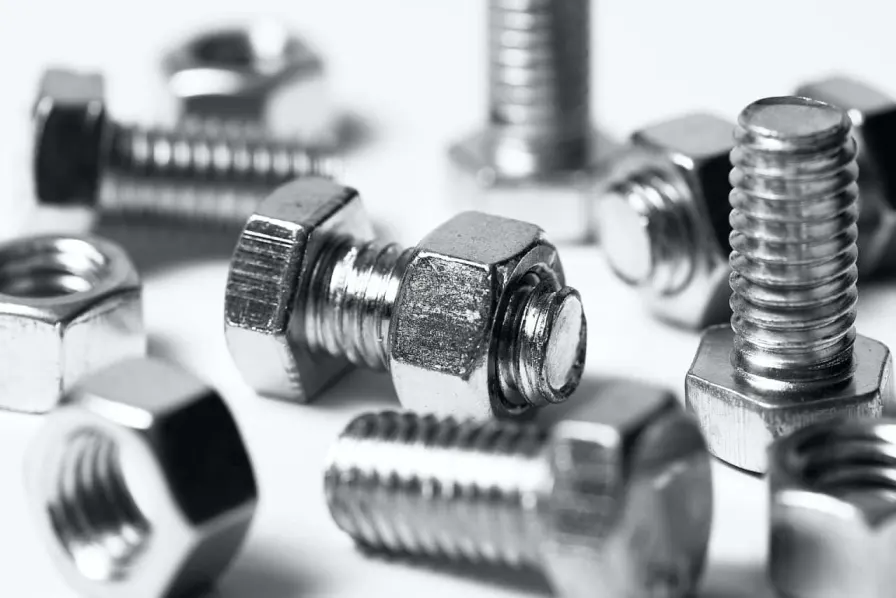
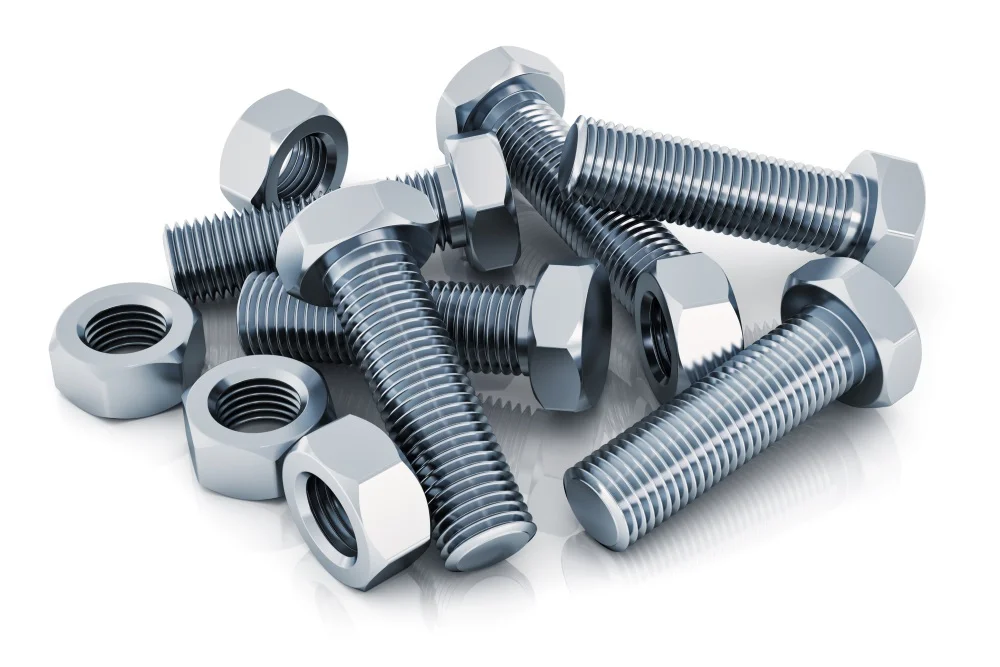
When you need serious strength, bolts paired with nuts are your go-to choice. Unlike screws, bolts pass completely through materials and secure with a nut on the opposite side. This makes them perfect for structural applications, machinery, and situations where you might need to remove and reassemble components.
Nails: Traditional Fastening for Modern Projects
Nails remain popular for their speed and simplicity. They’re excellent for framing, roofing, and general carpentry where quick installation matters. Modern nail guns have made them even more efficient, though they offer less holding power than screws and can be difficult to remove without damage.
Rivets: Permanent Fastening Options
Rivets create permanent joints by deforming to lock materials together. They’re commonly used in metal fabrication, aircraft construction, and applications where vibration might loosen threaded fasteners. Once installed, rivets cannot be removed without drilling them out.
Anchors: Securing to Concrete and Masonry
Working with brick, concrete, or stone? You’ll need anchors. These clever devices expand within drilled holes to create secure fixing points in materials that can’t accept standard screws or bolts. Options range from plastic plugs for lightweight applications to heavy-duty expansion anchors for structural loads.
Specialty Fasteners: Clips, Pins, and Beyond
Beyond the basics, you’ll find clips, pins, staples, and various specialty fasteners designed for specific applications. Hidden deck fasteners prestons, for instance, create clean surfaces without visible screw heads. Spring clips and retaining rings secure components in machinery and assemblies.
What Type of Fastener Should I Use for My Project?
Fasteners for Timber and Decking Projects
For outdoor timber work, stainless steel or galvanised screws are essential to prevent rust and staining. Decking screws feature special threads that reduce splitting and countersink heads for flush finishes. Coach screws work brilliantly for heavy structural connections in pergolas and outdoor structures.
Fasteners for Metal Fabrication
Self-drilling screws with hex heads are popular for metal roofing and cladding. For thicker materials, bolts provide superior strength. Always consider galvanic corrosion when joining dissimilar metals—using appropriate washers or coatings prevents premature deterioration.
Fasteners for Outdoor and Weather-Exposed Applications
Outdoor projects demand corrosion-resistant fasteners. Stainless steel grade 316 offers the best protection, particularly in coastal areas. Galvanised options provide good value for inland applications. Never use plain steel outdoors—rust will develop quickly and compromise your work.
Fasteners for Plasterboard and Internal Walls
Plasterboard requires special consideration because the material itself offers minimal holding strength. Toggle bolts and spring-loaded anchors grip behind the board, while hollow wall anchors expand to distribute loads. For heavier items, always locate and fix into wall studs using appropriate wood screws.
Choosing the Right Fastener Material
Stainless Steel vs Galvanised: Which Is Better?
This question comes up constantly, and the answer depends on your application. Stainless steel offers superior corrosion resistance and maintains its appearance over time—making it ideal for visible fixings and harsh environments. It costs more initially but often proves more economical long-term.
Galvanised fasteners feature a zinc coating that protects underlying steel. They’re more affordable and perfectly suitable for many applications. In addition, they work well for concealed fixings or projects where appearance matters less. The zinc coating does wear over time, particularly in wet or acidic conditions.
Brass, Aluminium, and Other Material Options
Brass fasteners offer excellent corrosion resistance with an attractive appearance—perfect for decorative applications and marine environments. Aluminium fasteners are lightweight and resist corrosion but lack the strength of steel alternatives. Plastic fasteners suit specific applications where electrical insulation or chemical resistance matters.
How Do I Prevent Fastener Corrosion in Coastal Areas?
Coastal environments present significant challenges due to salt-laden air. Grade 316 stainless steel is your best defence—it contains molybdenum, which dramatically improves resistance to chloride corrosion. Standard 304 stainless, while good for inland areas, may develop rust spots near the coast. Apply additional protection using marine-grade sealants and regular maintenance inspections.
Size and Strength: Getting It Right
How Do I Know What Size Fastener I Need?
Selecting the right size involves matching fastener dimensions to your materials and loads. As a general rule, screws should penetrate at least twice the thickness of the material being fixed. For critical applications, consult load tables or engineering specifications.
Gauge numbers indicate thickness—higher numbers mean thinner fasteners. Length should be sufficient for proper engagement without protruding dangerously or hitting hidden services. When in doubt, test your chosen fastener on scrap material before committing to your project.
Understanding Load Capacity and Tensile Strength
Load capacity describes how much weight a fastener can support, while tensile strength measures resistance to being pulled apart. Shear strength—resistance to sideways forces—is equally important for many applications. Manufacturers provide specifications for their products, so check these carefully for structural work.
Common Fastener Mistakes to Avoid
Even experienced DIYers make fastener mistakes. Over-tightening strips threads and reduces holding power. Using undersized fasteners creates weak joints that may fail under load. Mixing metals causes galvanic corrosion—particularly problematic with aluminium and steel combinations.
Another frequent error is ignoring manufacturer recommendations for treated timber. Modern preservatives can be corrosive, requiring specific fastener grades. Similarly, using indoor-rated fasteners outdoors leads to premature rust and project failure. Taking time to research proper specifications prevents costly mistakes.
Where to Buy Quality Fasteners in Preston and Surrounding Areas
Finding reliable fasteners in Preston doesn’t have to be difficult. Local hardware stores offer convenience and expert advice for smaller projects. For larger quantities or specialist requirements, dedicated fastener suppliers provide wider selections and competitive pricing.
When choosing a supplier, look for knowledgeable staff who can answer technical questions. Quality matters enormously with fasteners—cheap alternatives often fail prematurely or cause material damage. Established suppliers stock reputable brands and can source specialty items when needed.
Your Fastener Checklist for Project Success
Choosing the right fasteners doesn’t have to feel overwhelming. Start by identifying your materials—timber, metal, masonry, or plasterboard—then consider environmental exposure and load requirements. Match fastener materials to these conditions, prioritising corrosion resistance for outdoor applications.
Remember the key principles we’ve covered: size matters, material selection prevents corrosion, and different applications demand different fastener types. Don’t cut corners on quality, especially for structural work or outdoor projects. The small investment in proper fasteners pays dividends in project longevity and peace of mind.
Armed with this knowledge, you’re ready to tackle your next project with confidence. Whether you’re building a deck, assembling furniture, or renovating your home, the right fasteners will make sure your work stands strong for years to come. Happy building!


 Priya Ravinder
 Team Infornicle

 Devleena Nath