Have you ever wondered what’s really going on behind your walls? When was the last time you thought about the wiring that powers your home day in, day out? And more importantly, do you know whether your electrical system is actually safe?
These are questions most of us don’t think about until something goes wrong. Yet electrical faults remain one of the leading causes of house fires across Australia. The good news is that a simple electrical safety check can give you peace of mind and potentially save lives. It’s one of those things that’s easy to put off, but absolutely vital to get done.
In this post, we’ll explore everything you need to know about electrical safety check bentleighf. From understanding what they involve to knowing when you need one, we’ve got you covered. We’ll also look at the legal requirements, typical costs, and warning signs that suggest your home needs attention right away. Whether you’re a homeowner, landlord, or tenant, this information is essential for keeping your property safe.
What Is an Electrical Safety Check?
An electrical safety check is a thorough examination of your property’s electrical system. It’s designed to identify potential hazards before they become dangerous. Think of it as a health check for your home’s wiring and electrical components.
The Difference Between Electrical Safety Checks and Electrical Inspections
People often use these terms interchangeably, but there are subtle differences. An electrical safety check is generally a visual assessment combined with basic testing. It focuses on identifying obvious faults and safety concerns.
An electrical inspection, on the other hand, tends to be more comprehensive. It often involves detailed testing of circuits, switchboards, and earthing systems. Inspections typically result in a formal report or certificate. For most homeowners, a standard safety check is sufficient for regular maintenance purposes.
What Does an Electrical Safety Check Include?
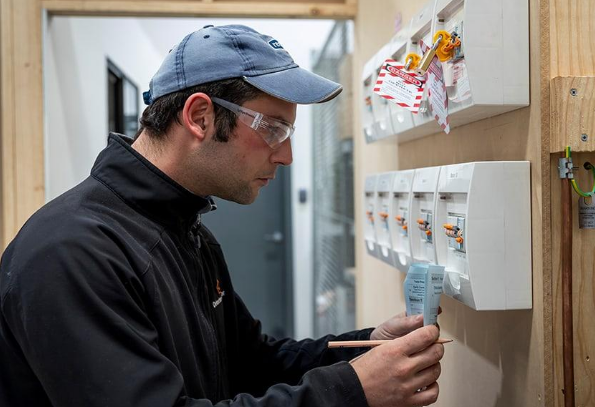
During a safety check, an electrician will examine several key areas. These include your switchboard, power points, light switches, and visible wiring. They’ll also test safety switches (RCDs) to make sure they’re working properly.
The electrician will look for signs of wear, damage, or outdated components. They’ll check for overloaded circuits and ensure your system meets current Australian safety standards. It’s a straightforward process that usually takes a couple of hours, depending on your property’s size.
Why Are Electrical Safety Checks Important?
You might think your electrical system is fine because everything seems to work. However, many electrical hazards are invisible to the untrained eye. Here’s why regular checks matter.
Protecting Your Family and Property
Faulty wiring can cause electrical shocks, fires, and even fatalities. According to Australian fire services, electrical faults cause thousands of house fires each year. Many of these incidents are preventable with proper maintenance.
A safety check identifies risks before they escalate. It’s about being proactive rather than reactive. The small investment of time and money could literally save your family’s lives.
Meeting Legal and Insurance Requirements
If you’re a landlord, you have legal obligations to make sure your rental property is electrically safe. Failing to meet these requirements can result in significant penalties. Plus, your insurance company may refuse claims if your electrical system wasn’t properly maintained.
Even for owner-occupiers, having documentation of regular safety checks can be beneficial. It demonstrates due diligence and can support insurance claims if something does go wrong.
Preventing Costly Repairs Down the Track
Small electrical issues often become major problems if left unchecked. A minor wiring fault today could lead to a complete rewire tomorrow. Regular checks help catch issues early when they’re cheaper and easier to fix.
How Often Should You Get an Electrical Safety Check?
The frequency depends on several factors, including your property type and age.
Recommended Timeframes for Homeowners
For most residential properties, experts recommend a safety check every two to five years. Older homes with original wiring should be checked more frequently. If your home is over 25 years old, annual checks are a wise investment.
Electrical Safety Check Requirements for Rental Properties
Landlords in Australia face specific regulations that vary by state. In many jurisdictions, electrical safety check are required before new tenancies begin. Some states mandate checks every two years. Always check your local requirements to stay compliant.
When to Book an Unscheduled Check
Certain situations call for immediate attention. Book a check straight away if you’ve recently purchased a property, completed renovations, or experienced flooding or storm damage. Don’t wait for your regular schedule if you notice warning signs.
Who Can Perform an Electrical Safety Check?
This isn’t a DIY job, no matter how handy you are around the house.
Licensed Electricians vs DIY Checks
In Australia, only licensed electricians can legally perform electrical work and safety checks. This includes testing and inspecting electrical systems. Attempting to check your own wiring isn’t just dangerous—it’s illegal.
Licensed electricians have the training, tools, and insurance to do the job safely. They know what to look for and can identify issues that would be invisible to most people.
How to Choose a Qualified Electrician
Look for electricians with proper licensing and insurance. Check online reviews and ask for recommendations from friends or family. A reputable electrician will happily provide their licence number and proof of insurance.
Get multiple quotes to compare pricing, but don’t automatically choose the cheapest option. Quality and experience matter when it comes to electrical safety.
What Happens During an Electrical Safety Inspection?
Understanding the process can help you prepare and know what to expect.
Step-by-Step Breakdown of the Process
The electrician will start by discussing any concerns you have. They’ll then conduct a visual inspection of your switchboard, checking for damage or outdated components. Next, they’ll test your safety switches to make sure they’re functioning correctly.
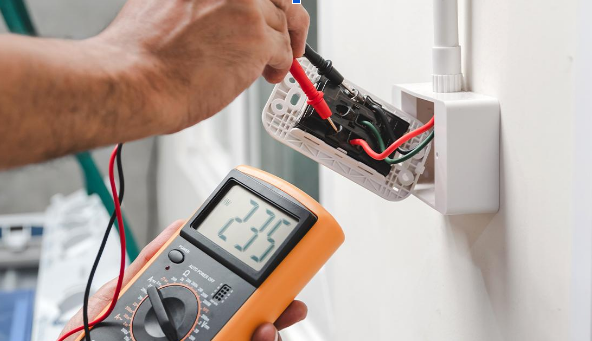
After that, they’ll inspect power points, light switches, and visible wiring throughout the property. They may use specialised equipment to test circuits and earthing. Finally, they’ll provide a report outlining their findings and any recommended repairs.
Common Issues Found During Inspections
Electricians frequently discover overloaded circuits, damaged wiring, and faulty safety switches. Outdated switchboards with ceramic fuses are another common find. Poor DIY work from previous owners is also surprisingly common.
Other issues include loose connections, inadequate earthing, and wiring that doesn’t meet current standards. Most of these problems are fixable, but they need professional attention.
Signs Your Home Needs an Electrical Safety Check Now
Don’t wait for your scheduled check if you notice these warning signs.
Warning Signs You Shouldn’t Ignore
Flickering lights, frequently tripping circuits, and burning smells are red flags. Warm or discoloured power points indicate serious problems. Sparks when plugging in appliances require immediate attention.
If you experience regular electrical shocks, even mild ones, call an electrician right away. These symptoms suggest underlying issues that could become dangerous.
Older Homes and Outdated Wiring
Properties built before the 1980s often have wiring that doesn’t meet modern standards. Old rubber-insulated wiring deteriorates over time and poses significant fire risks. If your home still has a ceramic fuse box, it’s definitely time for an upgrade.
Electrical Safety Certificates: What You Need to Know
Documentation matters, especially when buying or selling property.
Do I Need an Electrical Safety Certificate to Sell My Home?
Requirements vary by state. In some jurisdictions, sellers must provide a certificate of electrical safety. Even where it’s not mandatory, having one can make your property more attractive to buyers.
Understanding Compliance Certificates
A compliance certificate confirms your electrical system meets Australian standards. It’s issued after a thorough inspection by a licensed electrician. Keep these certificates safe—they’re valuable documentation for insurance and future sales.
Taking the Next Step Towards Electrical Safety
Electrical safety checks are one of those essential tasks that protect what matters most—your family and your home. We’ve covered everything from what these checks involve to how often you need them and what they typically cost. The key takeaway is simple: don’t put this off.
Whether your home is brand new or decades old, regular electrical safety checks are non-negotiable. They identify hidden dangers, keep you compliant with regulations, and prevent costly repairs. The warning signs we’ve discussed should prompt immediate action if you spot them.
So, what’s your next step? If it’s been more than two years since your last check—or if you’ve never had one—now’s the time to book an appointment. Reach out to a licensed electrician today and get that peace of mind you deserve. Your future self will thank you for it.


 Walking Dead
 Priya Ravinder


 Devleena Nath