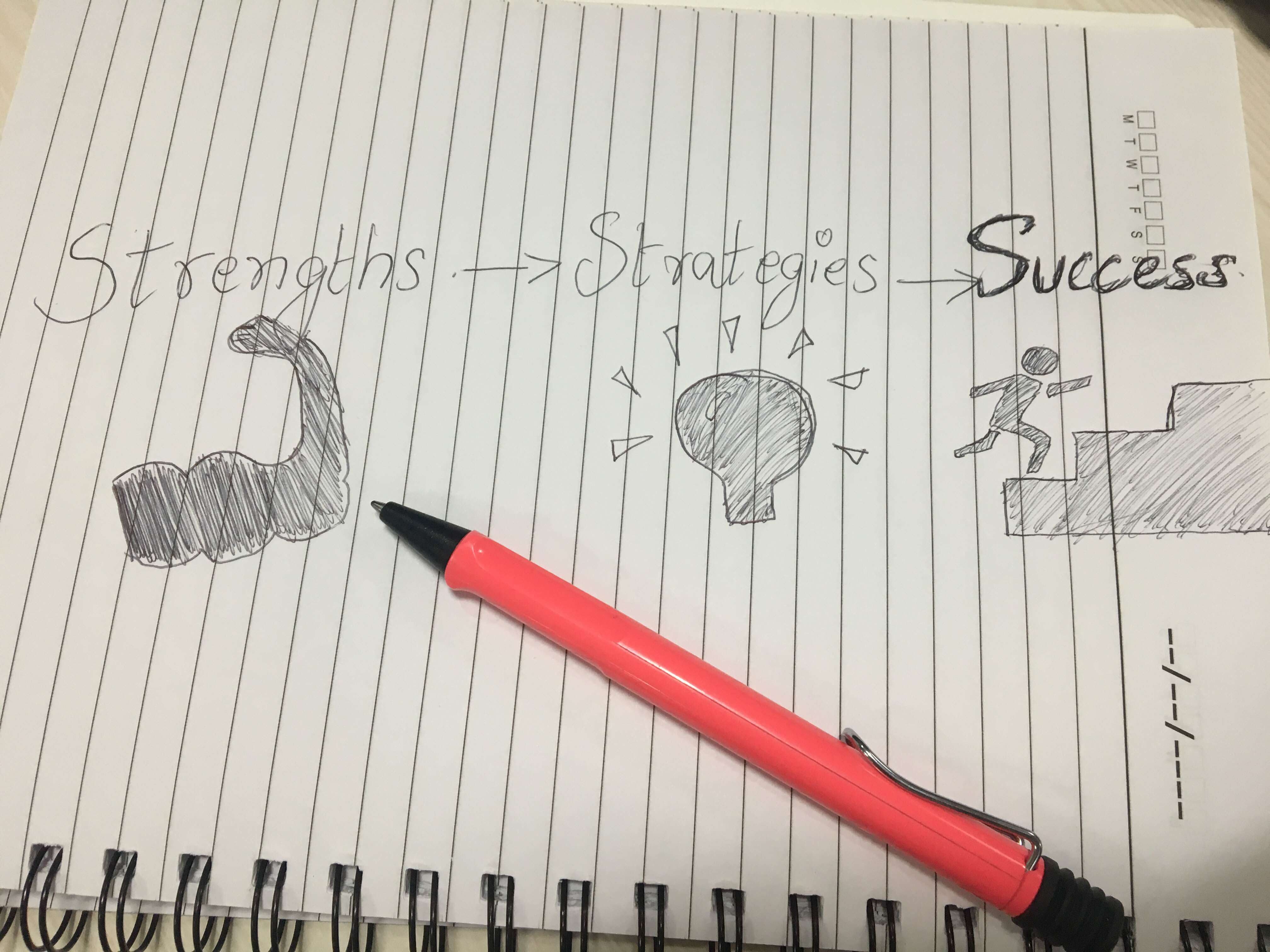
Imposter syndrome affects capable, driven people who quietly fear they don’t deserve their success. If that’s you, this article is for you—clear, grounded strategies to help you stop shrinking and start using your full potential.
The Quiet Weight You’re Carrying
Imposter syndrome is the persistent belief that your accomplishments are the result of luck, timing, or deception rather than skill or effort. People experiencing it often feel like they’re “about to be found out,” even when there’s strong evidence of competence. Common symptoms include chronic self-doubt, overpreparing, dismissing praise, anxiety before evaluations, and comparing yourself unfavorably to peers. It doesn’t mean you’re unqualified—it means your inner narrative is out of sync with reality.
The Short Version (Read This If You’re Overwhelmed)
You’re not broken. Imposter syndrome thrives on isolation, vague standards, and distorted self-talk. The way forward isn’t pretending confidence—it’s building evidence, naming the fear, and practicing skills that reconnect you to reality. Small, repeatable actions compound into confidence you can trust.
Why Smart, Capable People Get Stuck Here
High standards, fast growth, and new environments can trigger imposter feelings. When expectations are unclear, your brain fills the gap with worst-case stories. Add perfectionism and a habit of comparing your behind-the-scenes doubts to other people’s highlight reels, and the cycle locks in.
Five Grounded Strategies That Actually Help
- Name the pattern. Saying “this is imposter syndrome” creates distance from the thought.
- Collect evidence. Keep a simple log of wins, feedback, and skills used.
- Externalize standards. Ask what “good” looks like instead of guessing.
- Normalize struggle. Growth feels uncomfortable because it is growth.
- Practice visible contribution. Share work earlier; feedback calibrates reality.
A Practical Reset: How to Rebuild Trust in Yourself
Use this checklist once a week:
- Write down one task you completed that required skill (not luck).
- Note one piece of external feedback you received—positive or neutral.
- Identify one fear you had before acting and what actually happened.
- Ask one clarifying question at work instead of assuming expectations.
- Do one small thing publicly (comment, share, submit) without overpolishing.
This isn’t about hype. It’s about restoring an accurate self-assessment.
Reframing the Inner Dialogue
When the thought “I don’t belong here” shows up, try this replacement:
“I’m allowed to be learning and contributing at the same time.”
That single shift reduces pressure and keeps you moving.
Skill-Building as Confidence Fuel
One reliable way to weaken imposter syndrome is to intentionally build skills in areas that matter to you. Going back to school can provide structure, feedback, and clear milestones that turn vague doubt into measurable progress. For example, earning a business management bachelor’s program can strengthen your abilities in leadership, operations, and project management—skills that translate directly into confidence at work. Choosing an online degree adds flexibility, allowing you to learn while maintaining your current job and responsibilities, which reduces financial and logistical stress while you grow.
What to Do When Comparison Hijacks Your Brain
| Situation | Old Reaction | Better Response |
| Peer gets praised | “I’m behind.” | “Their win doesn’t erase mine.” |
| You make a mistake | “I’m exposed.” | “This is data for improvement.” |
| New responsibility | “They overestimated me.” | “They see potential I’m growing into.” |
Use the table as a quick mental swap—not a mantra marathon.
FAQ: Real Questions, Straight Answers
Is imposter syndrome a mental illness?
No. It’s a pattern of thinking and feeling, not a diagnosis.
Will it ever go away completely?
For many people, it softens with experience and practice. It may reappear during transitions.
Does confidence come before action?
Usually after. Action builds evidence; evidence builds confidence.
Should I tell my manager?
If you trust them, sharing selectively can lead to clearer expectations and support.
One Helpful Resource Worth Bookmarking
If you want a clear, practical explanation of imposter syndrome—without jargon—Verywell Mind offers a well-researched guide that breaks down why imposter syndrome happens and how to cope with it in everyday life. It includes concrete strategies for reframing self-doubt, managing anxiety, and building confidence over time.
Imposter syndrome doesn’t mean you’re failing—it means you care and you’re stretching. Confidence isn’t the absence of doubt; it’s the ability to act with doubt present. Keep building evidence, stay connected to reality, and let your growth catch up to where you already are.


 Walking Dead
 Devleena Nath
 Avishek Singha
 Priya Ravinder