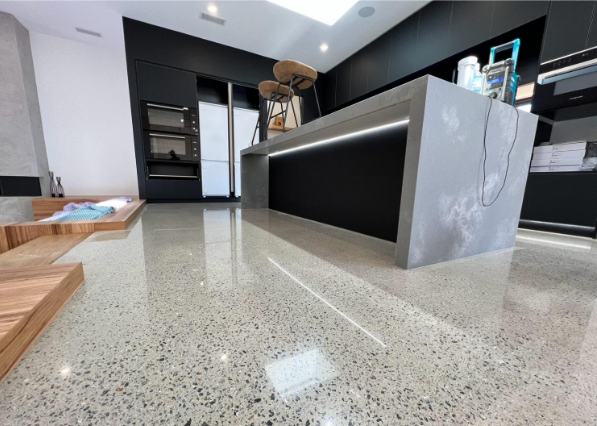
Have you ever walked into a stunning Sydney home or trendy café and found yourself mesmerised by those gorgeous, mirror-like floors? What makes polished concrete so irresistible, and why are so many Australians choosing it over traditional flooring options? Could this be the perfect solution for your next renovation project?
Polished concrete has become incredibly popular across Sydney, and it’s easy to see why. This versatile flooring option delivers a sleek, modern aesthetic while offering practical benefits that suit our Australian lifestyle. From harbourside apartments to bustling commercial spaces, you’ll spot these beautiful floors everywhere you look.
In this guide, we’ll explore everything you need to know about achieving that flawless polished concrete sydney. We’ll cover the technical process, costs specific to Sydney, maintenance tips, and how to choose the right contractor for your project. Whether you’re renovating your home or upgrading a commercial space, you’ll walk away with the knowledge to make informed decisions.
What is Polished Concrete and How Does It Work?
The Science Behind the Shine
Polished concrete isn’t just regular concrete that’s been given a quick buff. It’s a multi-step mechanical process that transforms ordinary concrete into a dense, durable surface with a beautiful sheen. The process involves grinding the concrete surface with progressively finer diamond-embedded tools.
Think of it like sanding wood, but on a much larger scale. Each pass removes imperfections and gradually refines the surface. Chemical densifiers are then applied, which penetrate the concrete and react with calcium hydroxide to create a harder, more compact surface. This chemical reaction is what gives polished concrete its remarkable strength and shine.
Different Levels of Polish: Matte to High Gloss
Not all polished concrete looks the same. You can choose from various finish levels depending on your aesthetic preferences. A matte finish offers a subtle, understated look with minimal reflection. Satin finishes provide moderate sheen, while high-gloss options deliver that stunning mirror-like appearance that catches everyone’s attention.
Why Choose Polished Concrete for Your Sydney Home or Business?
Durability That Stands Up to Australian Conditions
Sydney’s climate can be tough on flooring materials. Between summer heat, humidity, and sandy feet tracking in from the beach, you need something that can handle it all. Polished concrete excels in these conditions, resisting scratches, stains, and general wear far better than many alternatives.
Low Maintenance Living
One of the biggest drawcards is how easy these floors are to maintain. Unlike timber that needs regular oiling or carpet that requires professional cleaning, polished concrete simply needs regular sweeping and occasional mopping. That’s it. For busy Sydney families, this stress-free maintenance is a genuine game-changer.
Cost-Effectiveness Over Time
While the upfront investment might seem significant, polished concrete pays for itself over the years. You won’t need to replace worn carpets every decade or refinish timber floors. When you factor in longevity and minimal maintenance costs, it becomes remarkably economical.
Is Polished Concrete Slippery When Wet?
Understanding Slip Resistance Ratings
This is one of the most common concerns people raise. The good news? Polished concrete can meet Australian slip resistance standards when properly finished. The P rating system measures slip resistance, and most polished concrete achieves P3 or higher, making it suitable for residential and many commercial applications.
Solutions for High-Moisture Areas
For bathrooms, pool surrounds, or commercial kitchens, additional measures can boost slip resistance. Anti-slip additives can be incorporated into sealers, or the final polish level can be adjusted to create more texture. A skilled contractor will recommend the right approach for your specific needs.
Can You Polish Existing Concrete Floors?
Assessing Your Current Slab
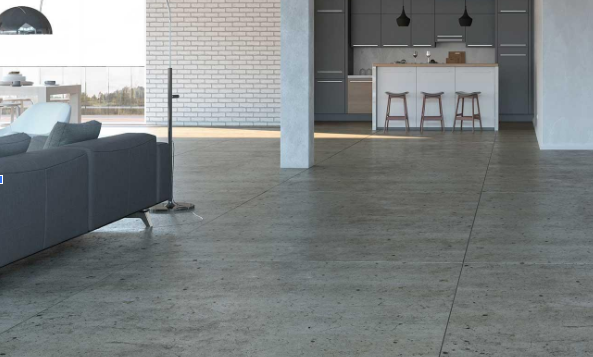
Great news for renovators—you absolutely can polish existing concrete. However, not every slab is suitable. Your concrete needs to be structurally sound without major cracks or damage. A professional assessment will identify any issues that need addressing before polishing begins.
The age and quality of your existing concrete also matter. Older slabs might reveal beautiful aggregate when ground, creating stunning visual effects. Newer concrete typically produces a more uniform appearance.
When Grinding and Polishing Works Best
Existing slab polishing works brilliantly when the concrete is in reasonable condition. It’s particularly cost-effective during renovations where you’re removing old flooring anyway. Instead of laying new material over the concrete, why not reveal its hidden beauty?
The Step-by-Step Process to Achieving a Flawless Finish
Surface Preparation and Repairs
Everything starts with thorough preparation. Any cracks, holes, or imperfections must be repaired using appropriate fillers. Old coatings, adhesives, or paint need removal. This stage is absolutely critical—rushing it leads to poor results that no amount of polishing can fix.
Grinding and Honing Stages
The grinding process typically involves four to seven passes using progressively finer diamond tools. Starting with coarse grits (around 40-80), contractors remove surface imperfections and level the floor. Each subsequent pass uses finer grits, gradually refining the surface.
Densifying and Sealing
Between grinding stages, chemical densifiers are applied. These penetrate the concrete, reacting to create a harder surface. After final polishing, a quality sealer protects against stains and enhances shine. The sealer choice significantly impacts both appearance and performance.
Final Polishing Techniques
The final polish determines your floor’s sheen level. This involves the finest diamond tools and burnishing techniques. For high-gloss finishes, contractors may use diamond grits exceeding 3000. It’s painstaking work, but the results speak for themselves.
How Long Does Polished Concrete Last?
Lifespan Expectations in Residential Settings
With proper care, polished concrete floors in homes last 20 years or more before needing significant attention. Light repolishing every 5-10 years maintains the shine, but the underlying floor remains sound for decades. Compare that to carpet lasting 10 years or timber needing refinishing every 7-10 years.
Commercial and Industrial Durability
In commercial settings with heavier foot traffic, polished concrete still outperforms alternatives. Retail spaces, warehouses, and offices see exceptional longevity. Some commercial floors remain beautiful after 15+ years of heavy use—a testament to concrete’s incredible resilience.
Is Polished Concrete Good for Sydney’s Climate?
Thermal Mass Benefits for Australian Summers
Here’s something many people don’t consider: polished concrete’s thermal mass helps regulate indoor temperatures. During summer, concrete absorbs heat during the day and releases it slowly overnight, naturally cooling your space. In winter, it stores warmth from sunlight, reducing heating needs.
Managing Humidity and Temperature Fluctuations
Sydney’s humidity can wreak havoc on timber floors, causing expansion and contraction. Polished concrete remains completely stable regardless of humidity levels. No warping, no gaps appearing between boards—just consistent beauty year-round.
Common Mistakes to Avoid When Polishing Concrete
Rushing the preparation stage is perhaps the most damaging mistake. Skipping proper repairs or failing to remove old coatings results in uneven, patchy finishes. Equally problematic is skipping grit levels during grinding—jumping from coarse to fine leaves visible scratches.
Choosing the wrong sealer can ruin an otherwise perfect job. Different sealers suit different applications. A penetrating sealer might work brilliantly in a residential lounge but fail in a commercial kitchen. Always discuss your specific requirements with your contractor.
Choosing the Right Polished Concrete Contractor in Sydney
Questions to Ask Before Hiring
Before committing, ask to see completed projects and speak with previous clients. Enquire about their specific process, equipment used, and timeline expectations. A reputable contractor welcomes these questions and provides detailed, honest answers.
Red Flags to Watch Out For
Be cautious of extremely low quotes—quality polished concrete requires skilled labour and proper equipment. Similarly, contractors unwilling to provide written quotes or warranty information should raise concerns. Trust your instincts; if something feels off, keep looking.
Polished Concrete Design Options and Finishes
Aggregate Exposure Levels
You can control how much aggregate shows in your finished floor. Cream polish reveals minimal aggregate, while salt and pepper shows fine aggregate. Full aggregate exposure creates a terrazzo-like appearance with larger stones visible—a bold, striking choice.
Colour Staining and Decorative Effects
Beyond natural concrete tones, colour options are virtually unlimited. Acid stains create variegated, natural-looking colours, while water-based stains offer more uniform hues. Some homeowners incorporate scoring patterns or custom designs for truly unique floors.
Your Next Steps to Stunning Polished Concrete Floors
Polished concrete offers Sydney homes and businesses an unbeatable combination of beauty, durability, and practicality. From its ability to handle our Australian climate to its remarkable longevity, it’s clear why this flooring option has captured so many hearts.
The key to success lies in proper preparation, quality materials, and choosing an experienced contractor who understands the nuances of achieving that perfect finish. Don’t rush the process or cut corners—the results will reflect the care taken during every stage.
Ready to transform your space with polished concrete? Start by assessing your existing floor, gathering quotes from reputable Sydney contractors, and deciding on your preferred finish level. Your dream floors are closer than you think, and the investment will reward you for decades to come.



 Priya Ravinder