Introduction
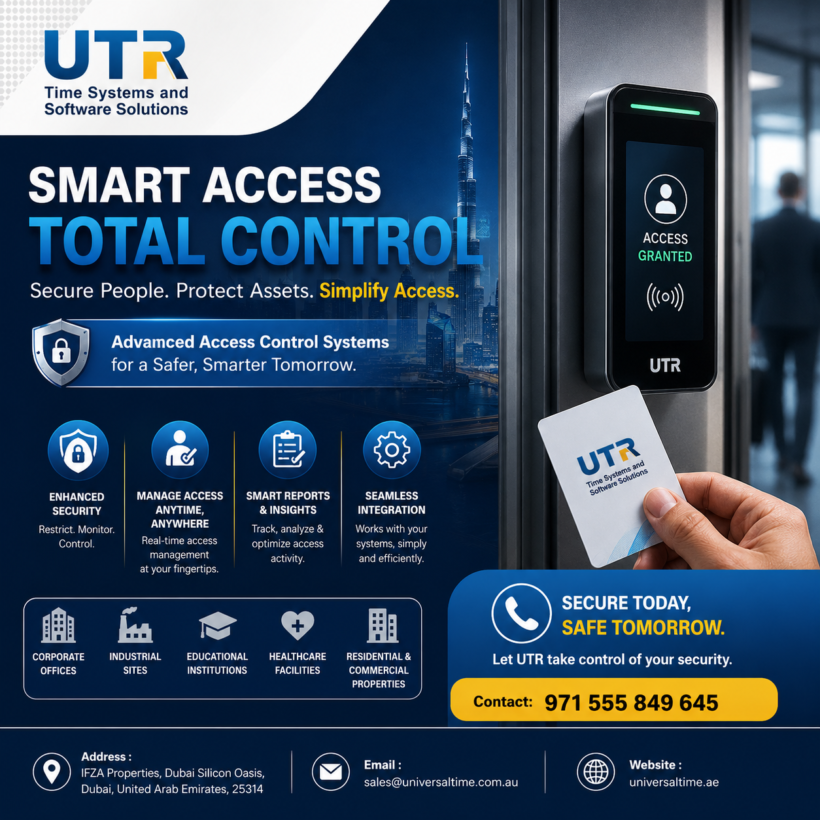
In today’s security-conscious world, businesses, institutions, and residential properties require advanced solutions to protect people, assets, and sensitive information. One of the most effective security technologies available is an access control system. These systems help organizations regulate who can enter specific areas, monitor movements, and improve overall security management.
Unlike traditional locks and keys, modern access control systems provide greater flexibility, enhanced security, and detailed tracking capabilities. Whether used in offices, warehouses, healthcare facilities, educational institutions, or residential complexes, access control systems have become an essential component of modern security infrastructure.
What Are Access Control Systems?
An access control system is a security solution designed to control and monitor access to buildings, rooms, or restricted areas. It allows authorized individuals to gain entry while preventing unauthorized access.
These systems use various authentication methods, including:
- Key cards
- PIN codes
- Mobile credentials
- Biometric verification
- Facial recognition
- Fingerprint scanning
By replacing traditional keys with electronic credentials, access control systems improve security while simplifying access management.
How Access Control Systems Work
Access control systems operate through a combination of hardware and software components.
The basic process includes:
- A user presents credentials at a reader.
- The system verifies the credentials.
- Access permissions are checked.
- The door unlocks if authorization is approved.
- The event is recorded in the system log.
This process occurs within seconds, providing secure and efficient entry management.
Access Control Systems: Enhancing Security and Managing Entry Efficiently
Introduction
In today’s security-conscious world, businesses, institutions, and residential properties require advanced solutions to protect people, assets, and sensitive information. One of the most effective security technologies available is an access control system. These systems help organizations regulate who can enter specific areas, monitor movements, and improve overall security management.
Unlike traditional locks and keys, modern access control systems provide greater flexibility, enhanced security, and detailed tracking capabilities. Whether used in offices, warehouses, healthcare facilities, educational institutions, or residential complexes, access control systems have become an essential component of modern security infrastructure.
What Are Access Control Systems?
An access control system is a security solution designed to control and monitor access to buildings, rooms, or restricted areas. It allows authorized individuals to gain entry while preventing unauthorized access.
These systems use various authentication methods, including:
- Key cards
- PIN codes
- Mobile credentials
- Biometric verification
- Facial recognition
- Fingerprint scanning
By replacing traditional keys with electronic credentials, access control systems improve security while simplifying access management.
How Access Control Systems Work
Access control systems operate through a combination of hardware and software components.
The basic process includes:
- A user presents credentials at a reader.
- The system verifies the credentials.
- Access permissions are checked.
- The door unlocks if authorization is approved.
- The event is recorded in the system log.
This process occurs within seconds, providing secure and efficient entry management.
Key Components of Access Control Systems
1. Access Control Reader
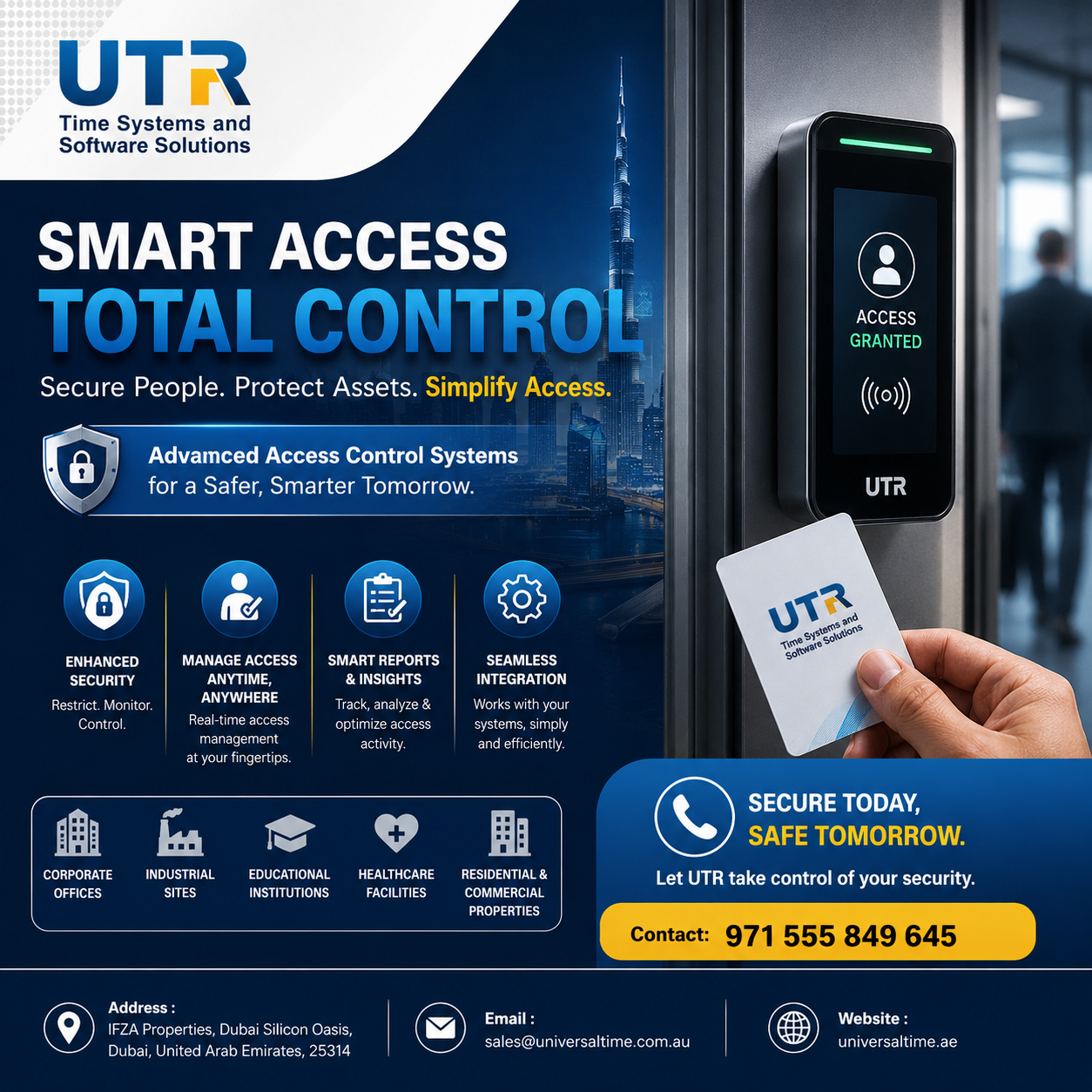
Readers are installed at entry points and authenticate user credentials. Common reader types include:
- Card readers
- Keypad readers
- Mobile access readers
- Biometric scanners
2. Credentials
Credentials identify authorized users and may include:
- Access cards
- Key fobs
- PIN numbers
- Mobile applications
- Biometric data
3. Control Panel
The control panel acts as the system’s central processing unit. It receives information from readers and determines whether access should be granted.
4. Electronic Locks
Electronic locks automatically unlock when authorized credentials are verified.
5. Management Software
Software enables administrators to:
- Add or remove users
- Assign access permissions
- Generate reports
- Monitor activity
- Manage multiple locations
Types of Access Control Systems
Discretionary Access Control (DAC)
DAC allows property owners or administrators to determine who has access to specific areas. It offers flexibility but may require careful management.
Mandatory Access Control (MAC)
MAC is commonly used in government and military environments. Access permissions are determined by security classifications rather than individual discretion.
Role-Based Access Control (RBAC)
RBAC grants access based on a user’s role within an organization. For example, managers may have access to additional areas compared to general staff members.
Rule-Based Access Control
This model uses predefined rules to regulate access. Access may be restricted based on:
- Time of day
- Location
- Security conditions
Benefits of Access Control Systems
Enhanced Security
The primary advantage of an access control system is improved security. Unauthorized individuals cannot enter restricted areas without proper credentials.
Improved Employee Safety
Organizations can create secure environments for employees, visitors, and contractors by limiting access to sensitive locations.
Detailed Activity Monitoring
Modern access control systems record entry and exit events, providing valuable audit trails for security investigations and compliance requirements.
Elimination of Physical Keys
Traditional keys can be lost, stolen, or duplicated. Access control systems eliminate many of these risks by using electronic credentials.
Easy Access Management
Administrators can quickly update permissions, deactivate lost credentials, and manage access remotely.
Reduced Operational Costs
Businesses save money by avoiding expensive lock replacements when keys are lost or employees leave the organization.
Applications of Access Control Systems
Commercial Buildings
Businesses use access control systems to secure offices, server rooms, and restricted departments while monitoring employee movement.
Healthcare Facilities
Hospitals and clinics rely on access control systems to protect patient records, pharmacies, and sensitive medical equipment.
Educational Institutions
Schools and universities use access control technology to enhance campus security and restrict access to authorized personnel.
Industrial Facilities
Manufacturing plants and warehouses use access control systems to secure inventory, equipment, and production areas.
Residential Communities
Apartment complexes and gated communities implement access control systems to improve resident safety and manage visitor access.
Biometric Access Control Systems
Biometric access control systems have gained popularity due to their high level of security.
Common biometric methods include:
- Fingerprint recognition
- Facial recognition
- Iris scanning
- Palm vein recognition
Because biometric credentials are unique to each individual, they provide stronger protection against unauthorized access compared to traditional keys or cards.
Cloud-Based Access Control Systems
Cloud-based access control systems allow administrators to manage security remotely through internet-connected platforms.
Benefits include:
- Remote management
- Real-time monitoring
- Automatic software updates
- Scalable deployment
- Reduced infrastructure requirements
Cloud technology has made access control systems more accessible and cost-effective for businesses of all sizes.
Choosing the Right Access Control System
When selecting an access control system, consider the following factors:
Security Requirements
Identify the level of security needed based on the type of facility and sensitive areas.
Scalability
Choose a system that can grow with your organization and accommodate future expansion.
Integration Capabilities
Look for systems that integrate with:
- CCTV cameras
- Alarm systems
- Visitor management platforms
- Building automation systems
Ease of Use
User-friendly systems simplify administration and reduce training requirements.
Budget
Evaluate both initial installation costs and long-term maintenance expenses.
Future Trends in Access Control Systems
The future of access control systems continues to evolve with technological advancements.
Emerging trends include:
- Artificial intelligence integration
- Touchless authentication
- Mobile-first access solutions
- Advanced analytics
- Cloud-native security platforms
- Multi-factor authentication
These innovations will further improve security, convenience, and operational efficiency.
Conclusion
Access control systems have become an essential security solution for organizations and property owners seeking to protect assets, manage entry points, and enhance operational efficiency. From card-based entry systems to advanced biometric authentication and cloud-based management platforms, modern access control systems provide flexible and scalable security solutions.
As security threats continue to evolve, investing in a reliable access control system helps businesses and property owners maintain a safe environment while improving access management and compliance. By choosing the right access control solution, organizations can strengthen security, reduce risks, and gain greater control over their facilities.
Key Components of Access Control Systems
1. Access Control Reader
Readers are installed at entry points and authenticate user credentials. Common reader types include:
- Card readers
- Keypad readers
- Mobile access readers
- Biometric scanners
2. Credentials
Credentials identify authorized users and may include:
- Access cards
- Key fobs
- PIN numbers
- Mobile applications
- Biometric data
3. Control Panel
The control panel acts as the system’s central processing unit. It receives information from readers and determines whether access should be granted.
4. Electronic Locks
Electronic locks automatically unlock when authorized credentials are verified.
5. Management Software
Software enables administrators to:
- Add or remove users
- Assign access permissions
- Generate reports
- Monitor activity
- Manage multiple locations
Types of Access Control Systems
Discretionary Access Control (DAC)
DAC allows property owners or administrators to determine who has access to specific areas. It offers flexibility but may require careful management.
Mandatory Access Control (MAC)
MAC is commonly used in government and military environments. Access permissions are determined by security classifications rather than individual discretion.
Role-Based Access Control (RBAC)
RBAC grants access based on a user’s role within an organization. For example, managers may have access to additional areas compared to general staff members.
Rule-Based Access Control
This model uses predefined rules to regulate access. Access may be restricted based on:
- Time of day
- Location
- Security conditions
Benefits of Access Control Systems
Enhanced Security
The primary advantage of an access control system is improved security. Unauthorized individuals cannot enter restricted areas without proper credentials.
Improved Employee Safety
Organizations can create secure environments for employees, visitors, and contractors by limiting access to sensitive locations.
Detailed Activity Monitoring
Modern access control systems record entry and exit events, providing valuable audit trails for security investigations and compliance requirements.
Elimination of Physical Keys
Traditional keys can be lost, stolen, or duplicated. Access control systems eliminate many of these risks by using electronic credentials.
Easy Access Management
Administrators can quickly update permissions, deactivate lost credentials, and manage access remotely.
Reduced Operational Costs
Businesses save money by avoiding expensive lock replacements when keys are lost or employees leave the organization.
Applications of Access Control Systems
Commercial Buildings
Businesses use access control systems to secure offices, server rooms, and restricted departments while monitoring employee movement.
Healthcare Facilities
Hospitals and clinics rely on access control systems to protect patient records, pharmacies, and sensitive medical equipment.
Educational Institutions
Schools and universities use access control technology to enhance campus security and restrict access to authorized personnel.
Industrial Facilities
Manufacturing plants and warehouses use access control systems to secure inventory, equipment, and production areas.
Residential Communities
Apartment complexes and gated communities implement access control systems to improve resident safety and manage visitor access.
Biometric Access Control Systems
Biometric access control systems have gained popularity due to their high level of security.
Common biometric methods include:
- Fingerprint recognition
- Facial recognition
- Iris scanning
- Palm vein recognition
Because biometric credentials are unique to each individual, they provide stronger protection against unauthorized access compared to traditional keys or cards.
Cloud-Based Access Control Systems
Cloud-based access control systems allow administrators to manage security remotely through internet-connected platforms.
Benefits include:
- Remote management
- Real-time monitoring
- Automatic software updates
- Scalable deployment
- Reduced infrastructure requirements
Cloud technology has made access control systems more accessible and cost-effective for businesses of all sizes.
Choosing the Right Access Control System
When selecting an access control system, consider the following factors:
Security Requirements
Identify the level of security needed based on the type of facility and sensitive areas.
Scalability
Choose a system that can grow with your organization and accommodate future expansion.
Integration Capabilities
Look for systems that integrate with:
- CCTV cameras
- Alarm systems
- Visitor management platforms
- Building automation systems
Ease of Use
User-friendly systems simplify administration and reduce training requirements.
Budget
Evaluate both initial installation costs and long-term maintenance expenses.
Future Trends in Access Control Systems
The future of access control systems continues to evolve with technological advancements.
Emerging trends include:
- Artificial intelligence integration
- Touchless authentication
- Mobile-first access solutions
- Advanced analytics
- Cloud-native security platforms
- Multi-factor authentication
These innovations will further improve security, convenience, and operational efficiency.
Conclusion
Access control systems have become an essential security solution for organizations and property owners seeking to protect assets, manage entry points, and enhance operational efficiency. From card-based entry systems to advanced biometric authentication and cloud-based management platforms, modern access control systems provide flexible and scalable security solutions.
As security threats continue to evolve, investing in a reliable access control system helps businesses and property owners maintain a safe environment while improving access management and compliance. By choosing the right access control solution, organizations can strengthen security, reduce risks, and gain greater control over their facilities.


 Walking Dead
 Devleena Nath



 Priya Ravinder